

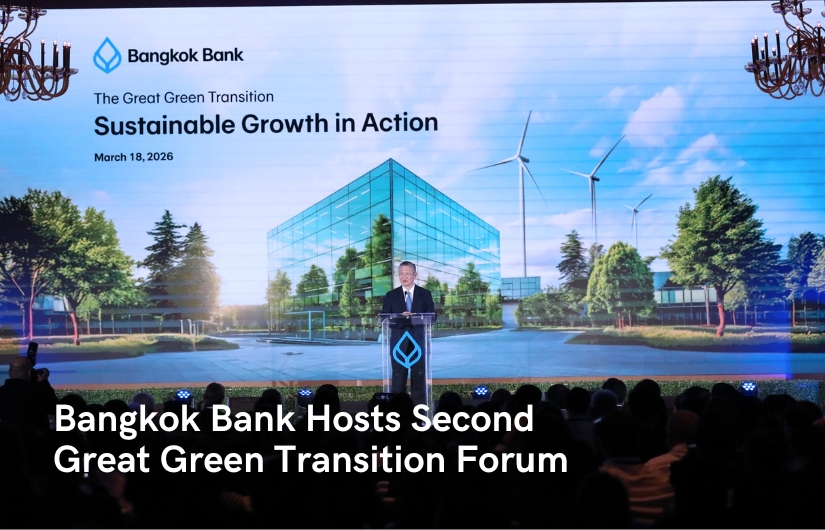
Bangkok Bank Hosts Second Great Green Transition Forum
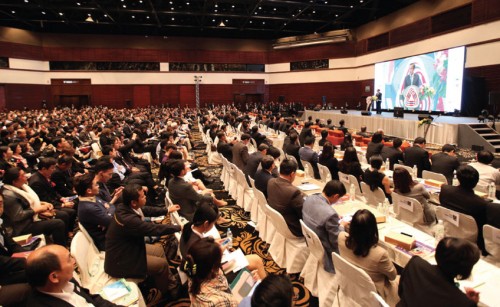
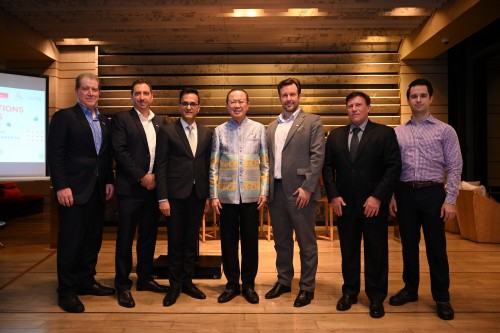
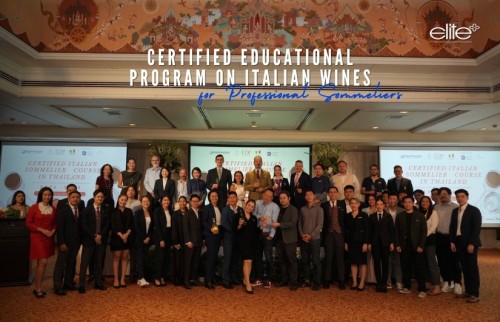
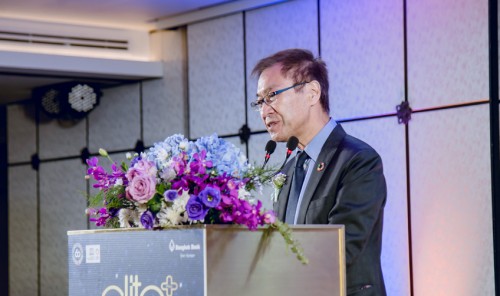
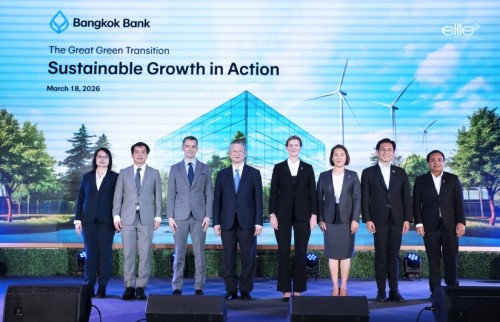
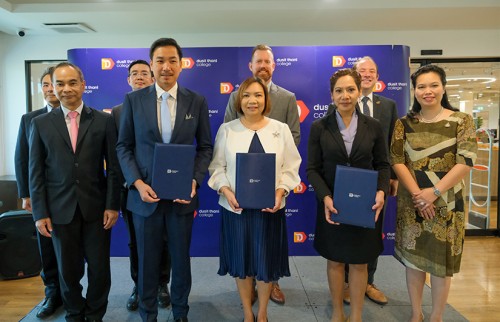
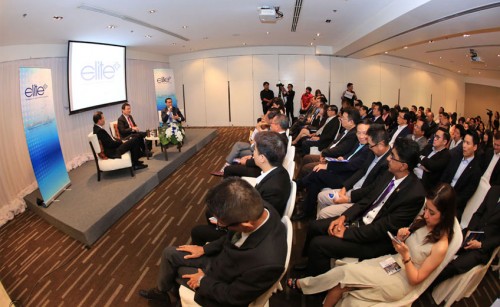
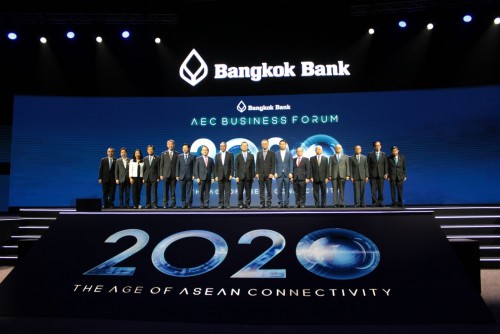
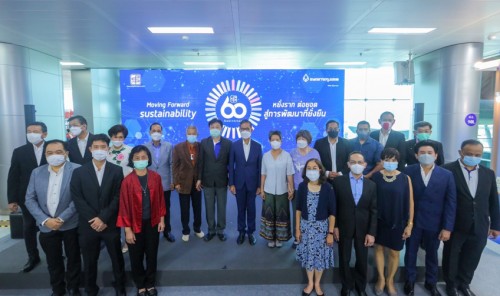
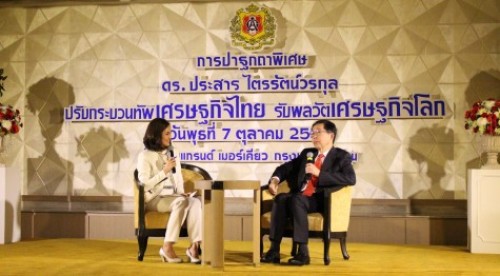
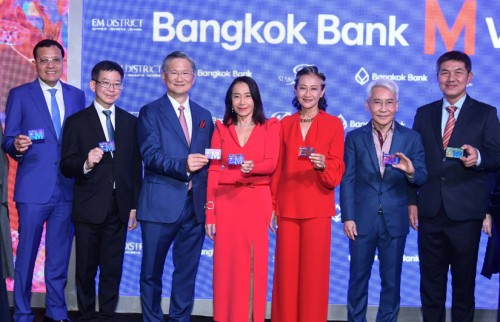
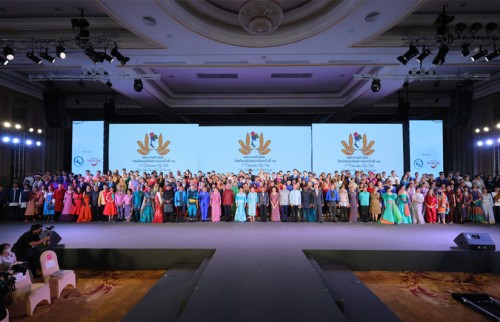
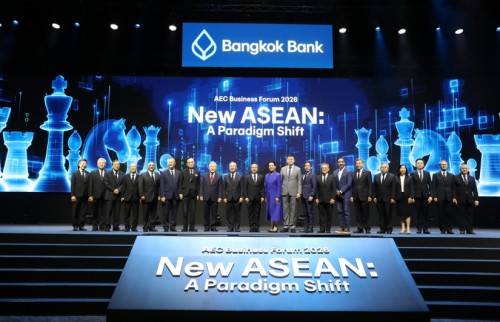
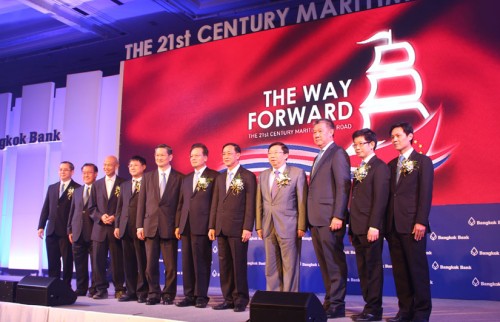
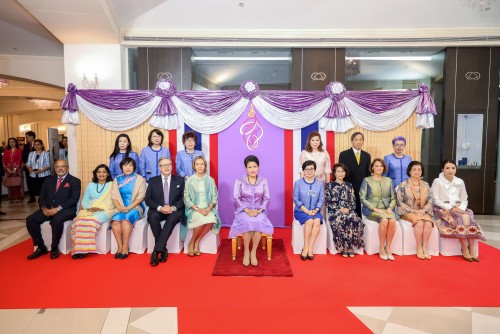
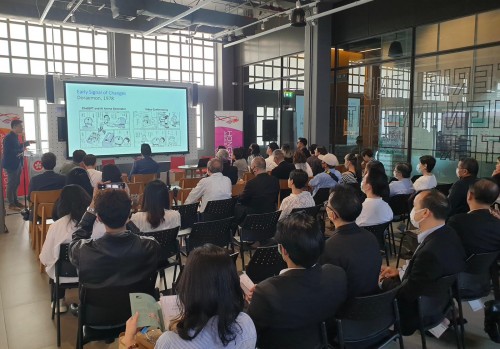
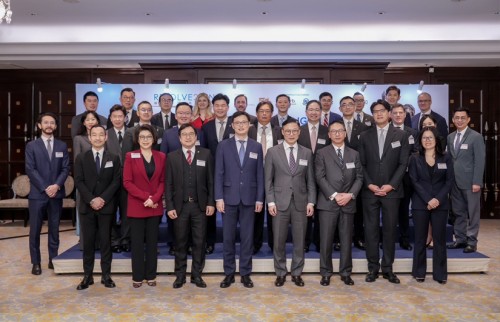
In mid-March, Bangkok Bank hosted its second “Great Green Transition Forum” to help businesses transition to a green economy and keep abreast of the rapidly changing global sustainability policies and trends.
Building upon last year’s event, this year’s forum under the theme, “Sustainable Growth in Action”, focused on three key areas: translating global climate policies into national-level implementation, driving innovations that transform energy and sustainability and outlining corporate pathways toward an environmentally friendly future.
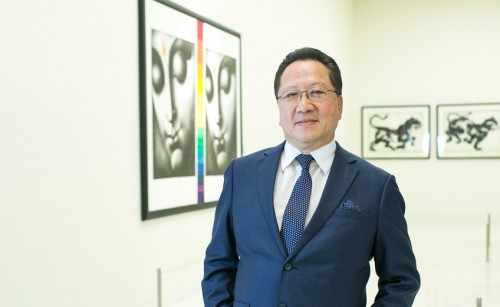
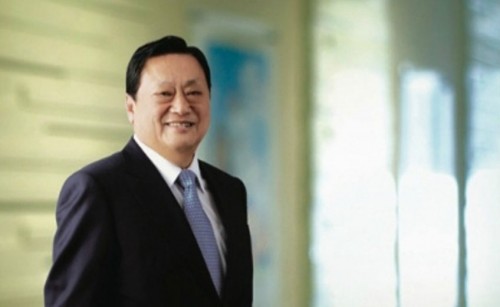
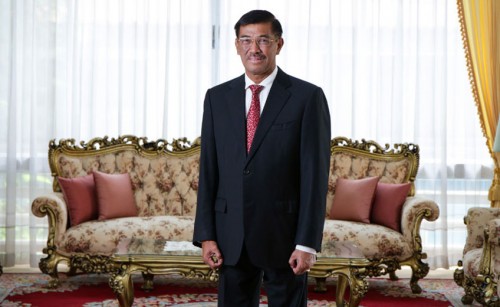
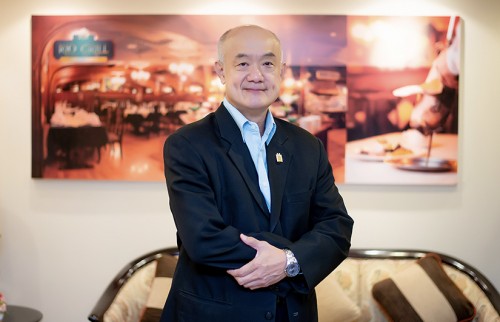
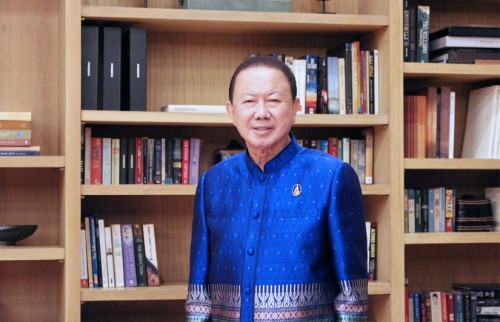
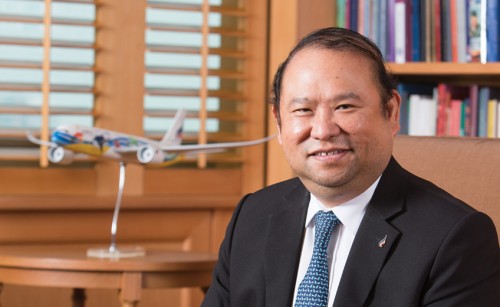
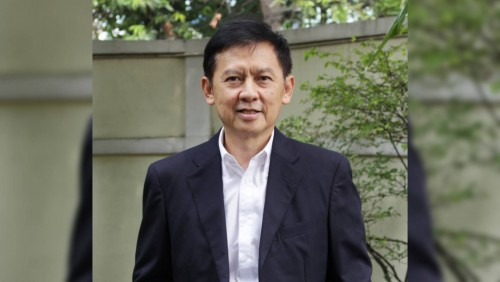
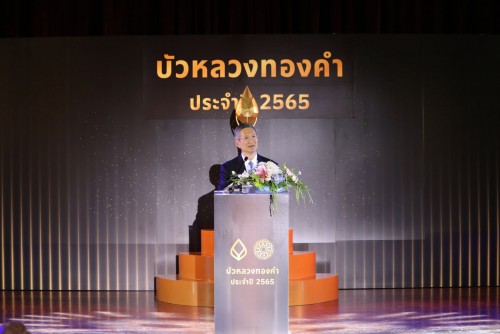
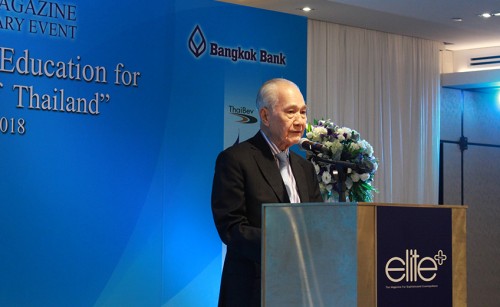
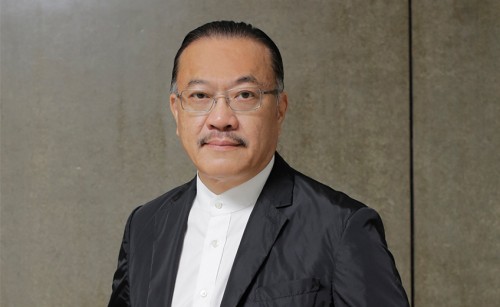
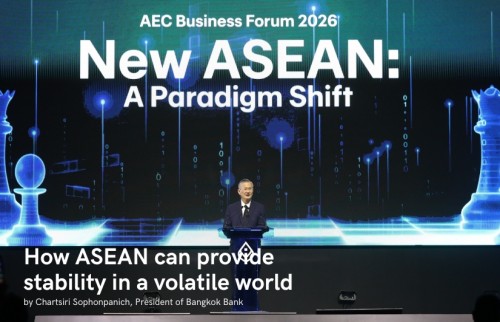
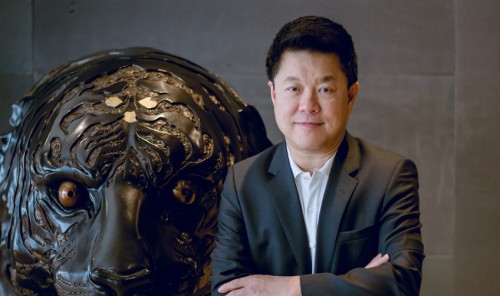
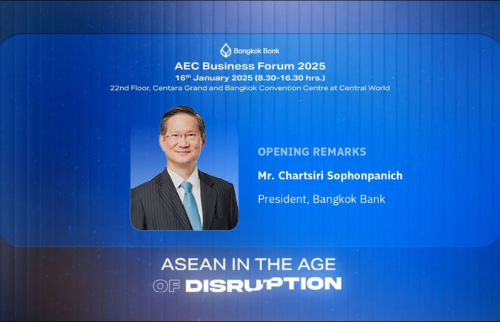
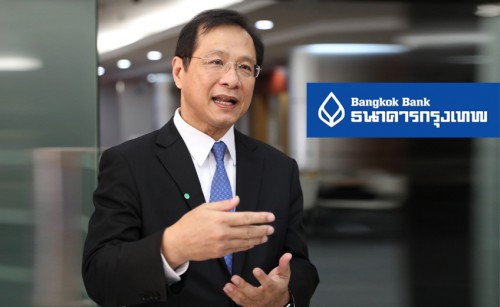
As Mr Chartsiri Sophonpanich, President of Bangkok Bank, put it in his opening remarks, “Climate change directly impacts all sectors of Thai business and has become a crucial condition for business operations, market access, customer retention and growth. Simultaneously, climate policy is no longer merely an international discussion topic but has been elevated to a ‘key economic mechanism’ affecting trade policy, product standards and access to funding. These factors are impacting organizations' future prospects.”
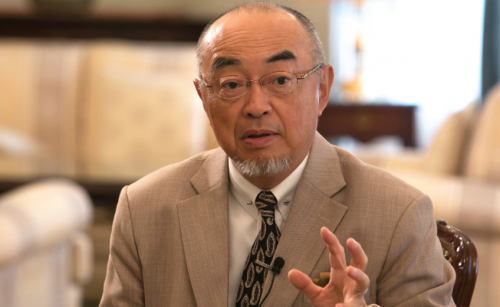
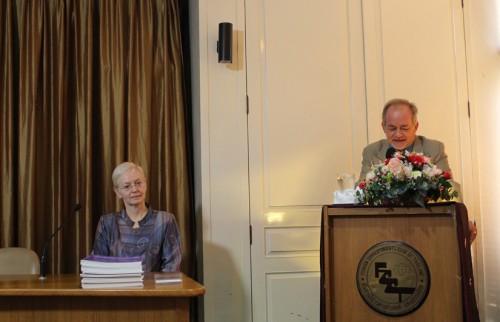
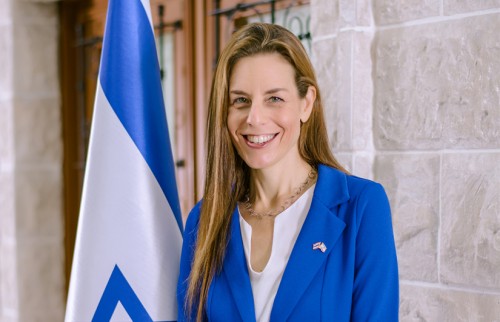
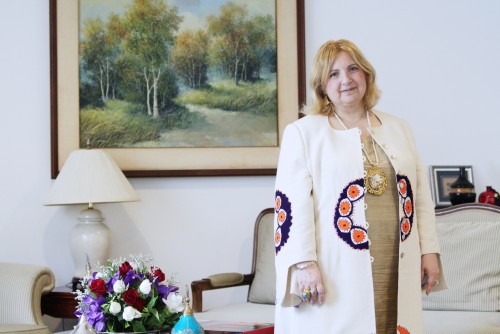
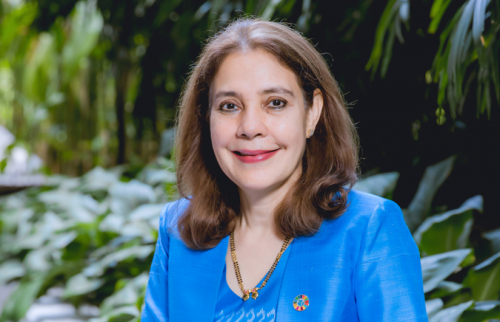
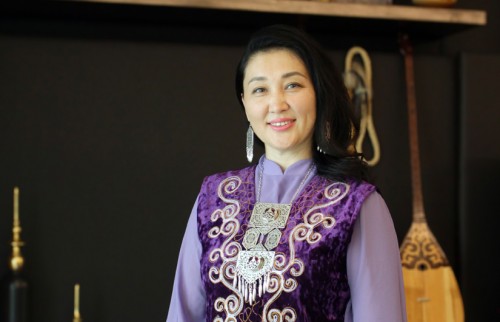
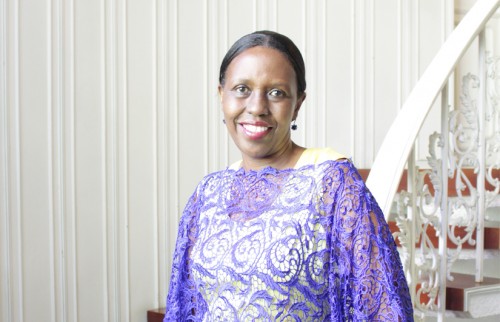
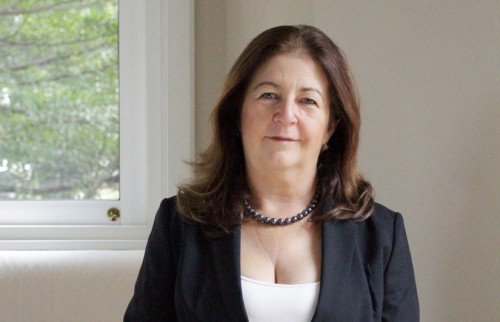
Following Mr Chartsiri, the programme began with two keynote speakers, Ms Niamh Collier-Smith, UN Resident Coordinator in Thailand ad interim and UNDP Resident Representative in Thailand, who spoke about “Bridging Global Climate Policy into Local Business Reality”. She began by stating that Thailand was facing four structural changes that will determine its long competitiveness; these being: first, an economic structure facing a reduction in production growth; second, changing weather patterns and natural disasters affecting supply chains and transportation; third, an aging society leading to a reduction in Thailand’s workforce and tax revenue; and fourth, a new government that must win investor confidence and reduce long-term foreign investment costs.
She then explained how the UN can assist Thailand as a strategic partner in developing policy frameworks, enacting legislation and mobilising domestic funds to achieve the UN’s sustainable development goals by 2030 and Thailand’s goal of Net Zero by 2050, which she said would require approximately USD 543 billion, or 1.4% of its GDP annually.
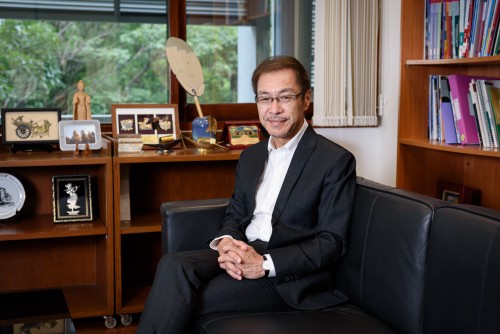
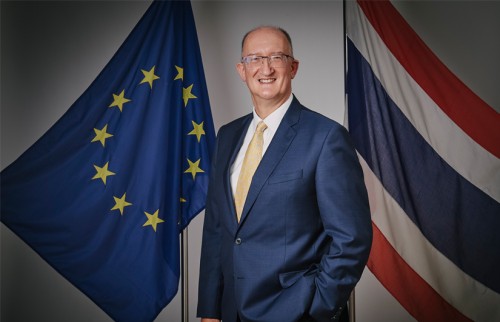
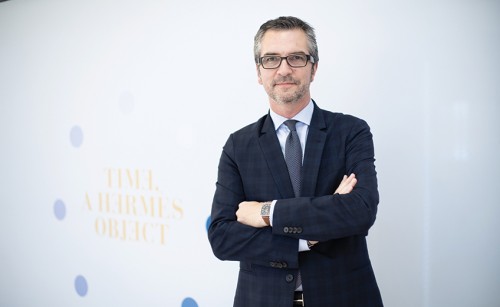
The second keynote speaker was Mr Ross Conlon, President and CEO of Siemens Thailand, whose topic was “Transformative Innovations Shaping the Future of Sustainable Business”.
He began discussing regulations that will impact the business sector and modern innovations that can reduce energy consumption and greenhouse gas emissions. He then stated that sustainability is a core aspect of Siemen’s business operations with more than 90% of their business focusing on helping clients create a positive sustainability impact in three main areas of sustainable development: reducing carbon emissions and increasing energy efficiency; promoting resource efficiency and circular economy, and prioritising people and society by developing solutions that support quality of life, safety and inclusive growth.
He went on to say a key strategy Siemens promotes is to integrate the real and digital worlds to unlock data power and enable more accurate decision-making, increased business efficiency and tangible sustainability. He then enforced the idea that Digital Twins are crucial tools for enhancing efficiency and sustainability by reducing resource consumption. He went on to say that Digital Twins can serve as a high-level analytical tool that can simulate various “what if” scenarios to test, design and make more accurate decisions without real-world testing to reduce
costs, time and risk while enhancing business sustainability.
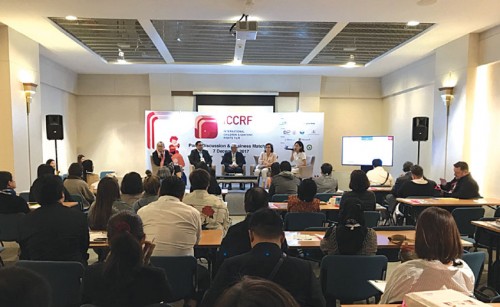
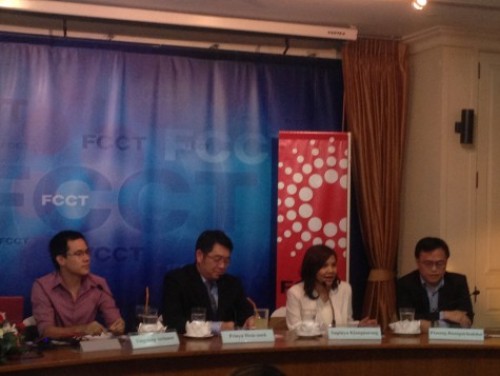
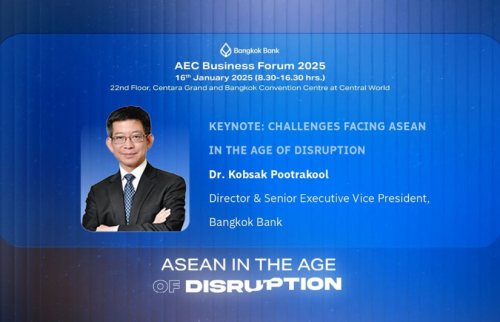
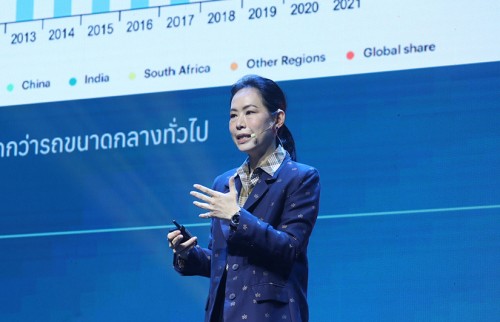
A panel discussion on “Driving Sustainability in the era of Climate Change” immediately followed with Dr Kobsak Pootrakool, Bangkok Bank Senior Executive Vice President and Director, serving as moderator. The panel included Dr Teerapon Tanomsakyut, Chief of Sustainability and Strategic Development Officer, Charoen Pokphand Group; Ms Tongjai Thanachanan, Executive Vice President and Chief Sustainability and Strategy Officer, Thai Beverage, and Ms Kornkamol Korpaisarn, Executive Vice President, Strategy, Business Development and Commercial Excellence, PTT Global Chemical. They each shared experiences in managing projects to reduce greenhouse gasses as well as their insights into trends and opportunities that are prioritising sustainable, eco-friendly products and services.
The final session of the programme was a panel discussion on “Building a Sustainable and Inclusive Future Through Innovation”. The panelists, Mr Wachirachai Koonamwattana, Chief Sustainability Officer, Siam Cement; Ms Kanokwan Jitchobtham, Senior Vice President, Net Zero Solutions, Banpu NEXT, and Mr Jirameth Achcha, Head of Corporate Services, Banpu, provided their views on how innovation can support sustainable growth while partnering with organisations and local communities to achieve a brighter future.
As Mr Chartsiri said, “Sustainability is no longer a voluntary choice, but an economic and trade imperative that all countries and businesses must respond to to maintain competitiveness, unlock investment opportunities and remain resilient in a rapidly changing global economy.”
This is why Bangkok Bank, as a “Trusted Partner”, is working hard to assist its clients to transition to a green economy. Through the Great Green Transition seminar series, it is providing valuable knowledge they can build on to achieve their goals. The Bank has also established the “Green Transition Academy” that offers a curriculum for business leaders to prepare for the low-carbon era. At the same time, to support clients to adapt operations and acquire new technologies to make the shift to greener business models, the Bank is offering the “Bualuang Green Loan for Environmental Sustainability Transition”.
Bangkok Bank has also introduced their TASK (Technology, Academia and Sustainability/Community) project that encourages collaboration with universities to bridge practical business technology with academic expertise. Their SME Empowerment initiative is designed to provide roadmaps and training in AI for small and medium enterprises. In addition, under this umbrella, the Bank have created the “Tech Adopt Challenge” to promote digital transformation within the Bank as well as the “Bangkok Bank Inno Hub” that focuses on fintech, innovation and digital solutions.
It is time to recognise that “sustainability is not just the responsibility of one organisation, but of everyone in the ecosystem who must collaborate to create sustainable growth throughout the entire system.” For this reason, Bangkok Bank will continue to hold such seminars and events to support the Great Green Transition.